Aloe vera
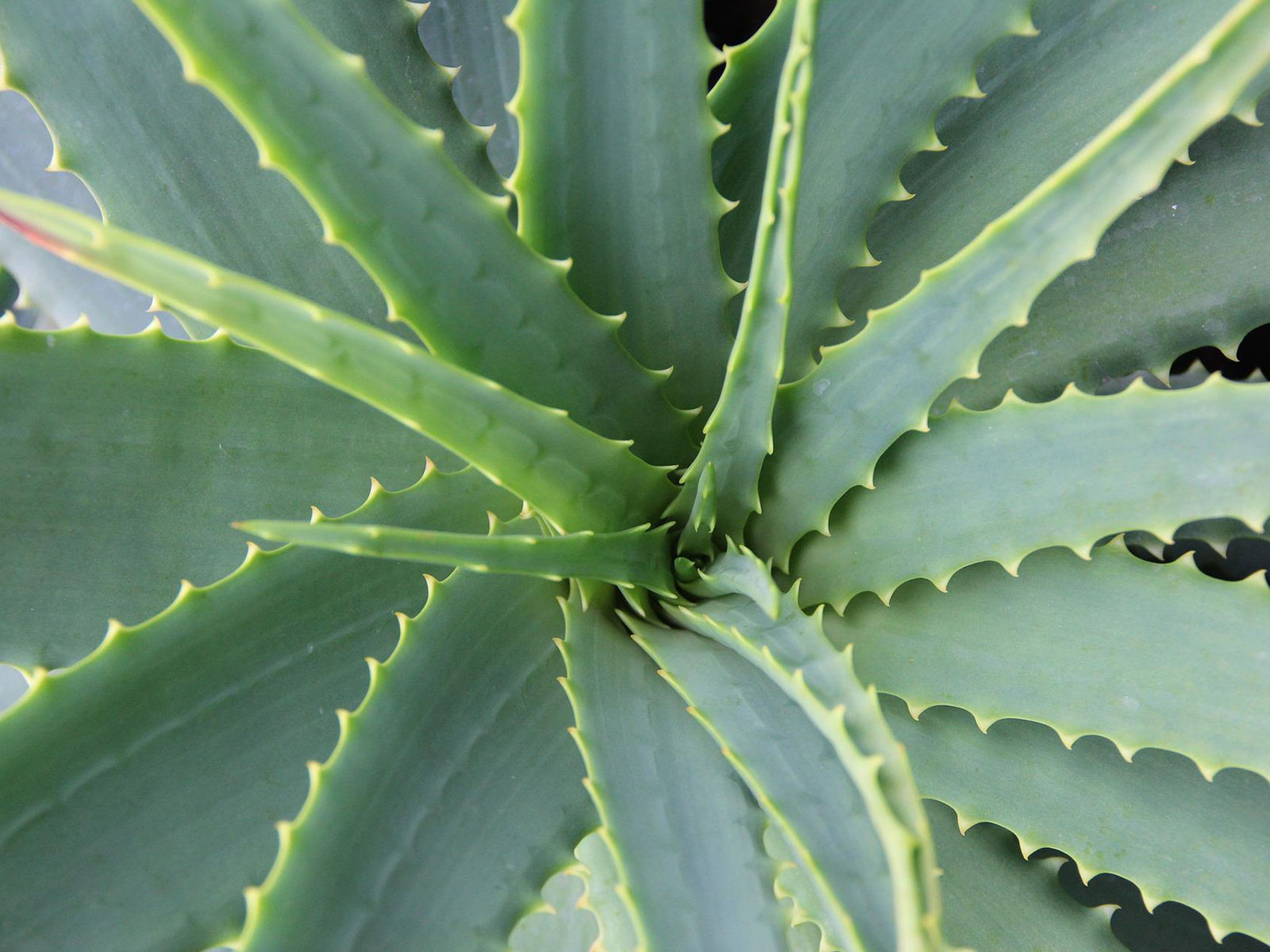
Description
Aloe vera has been widely grown as an ornamental plant. The species is popular with modern gardeners as a topical medicinal plant and for its interesting flowers, form, and succulence. This succulence enables the species to survive in areas of low natural rainfall, making it ideal for rockeries and other low water-use gardens. The species is hardy in zones 8–11, and is intolerant of heavy frost and snow. The species is relatively resistant to most insect pests, though spider mites, mealy bugs, scale insects, and aphid species may cause a decline in plant health. This plant has gained the Royal Horticultural Society’s Award of Garden Merit.
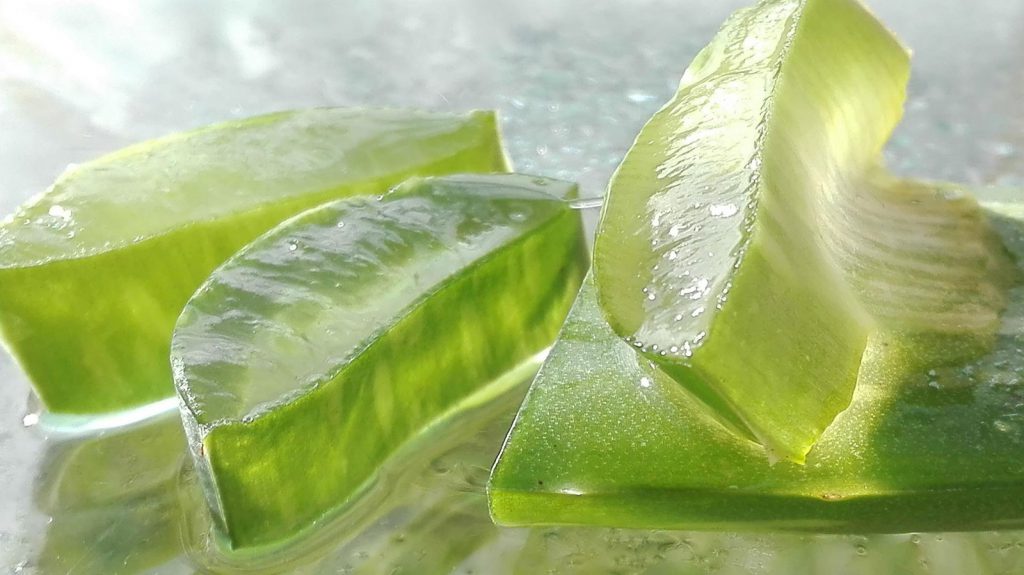
Two substances from Aloe vera – a clear gel and its yellow latex – are used to manufacture commercial products. Aloe gel is typically used to make topical medications for skin conditions, such as burns, wounds, frostbite, rashes, psoriasis, cold sores, or dry skin.
Taxonomy
The species has several synonyms: A. barbadensis Mill., Aloe Indica Royle, Aloe perfoliata L. var. vera and A. Vulgaris Lam. Some literature identifies the white-spotted form of Aloe vera as Aloe vera var. Chinensis; and the spotted form of Aloe vera may be conspecific with A. massawana.The species was first described by Carl Linnaeus in 1753 as Aloe perfoliata var. vera and was described again in 1768 by Nicolaas Laurens Burman as Aloe vera in Flora Indica on 6 April and by Philip Miller as Aloe barbadensis some ten days after Burman in the Gardener’s Dictionary.