Saguaro
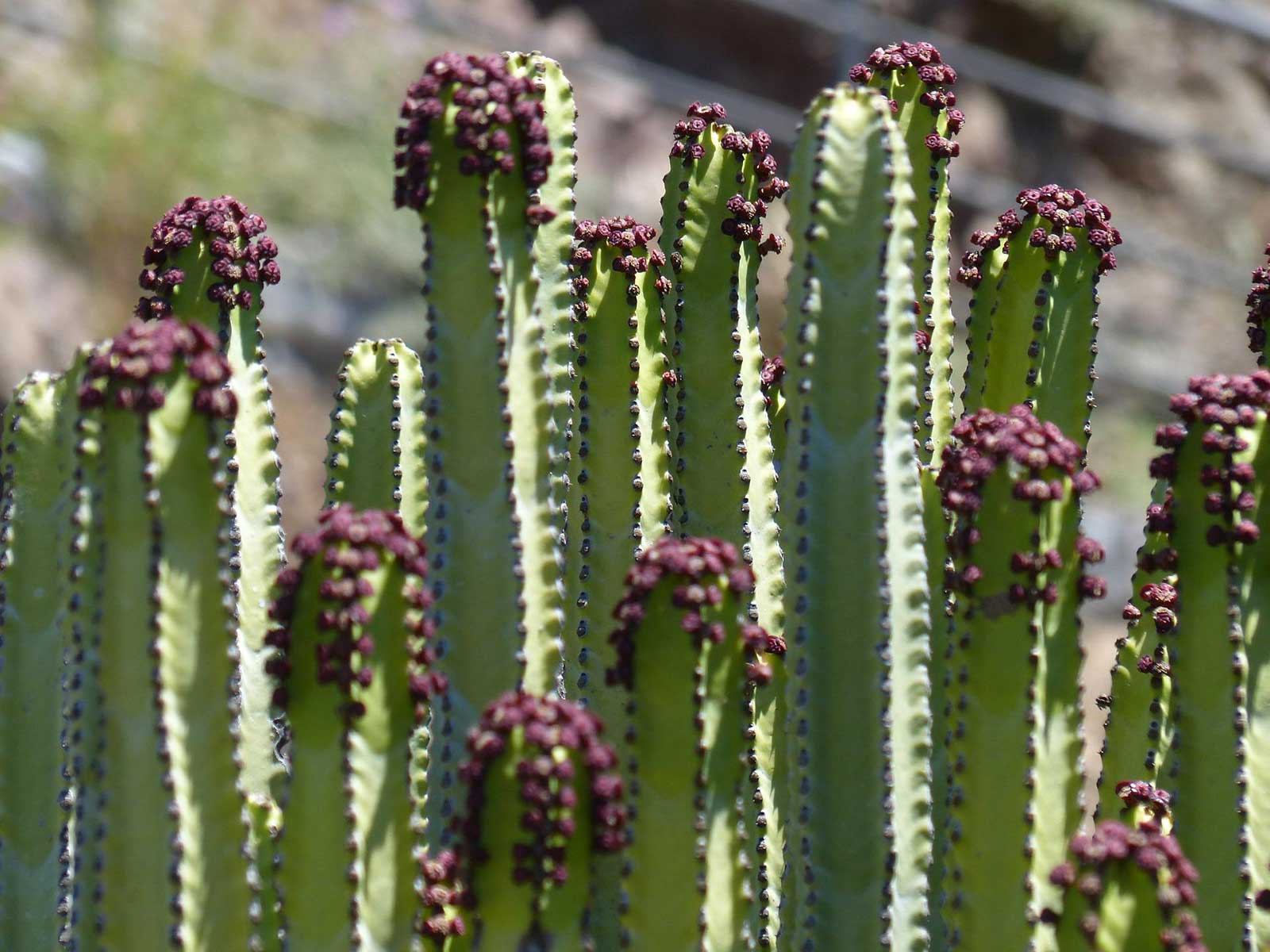
Description
The saguaro (/səˈwɑːroʊ/, Spanish pronunciation: [saˈɣwaɾo]) (Carnegiea gigantea) is a tree-like cactus species in the monotypic genus Carnegiea that can grow to be over 12 meters (40 feet) tall. It is native to the Sonoran Desert in Arizona, the Mexican state of Sonora, and the Whipple Mountains and Imperial County areas of California. The saguaro blossom is the state wildflower of Arizona. Its scientific name is given in honor of Andrew Carnegie. In 1994, Saguaro National Park, near Tucson, Arizona, was designated to help protect this species and its habitat.
Saguaros have a relatively long lifespan, often exceeding 150 years. They may grow their first side arm around 75–100 years of age, but some never grow any arms. Arms are developed to increase the plant’s reproductive capacity, as more apices lead to more flowers and fruit. A saguaro can absorb and store considerable amounts of rainwater, visibly expanding in the process, while slowly using the stored water as needed. This characteristic enables the saguaro to survive during periods of drought. It is a keystone species, and provides food and habitat to a large number of species.
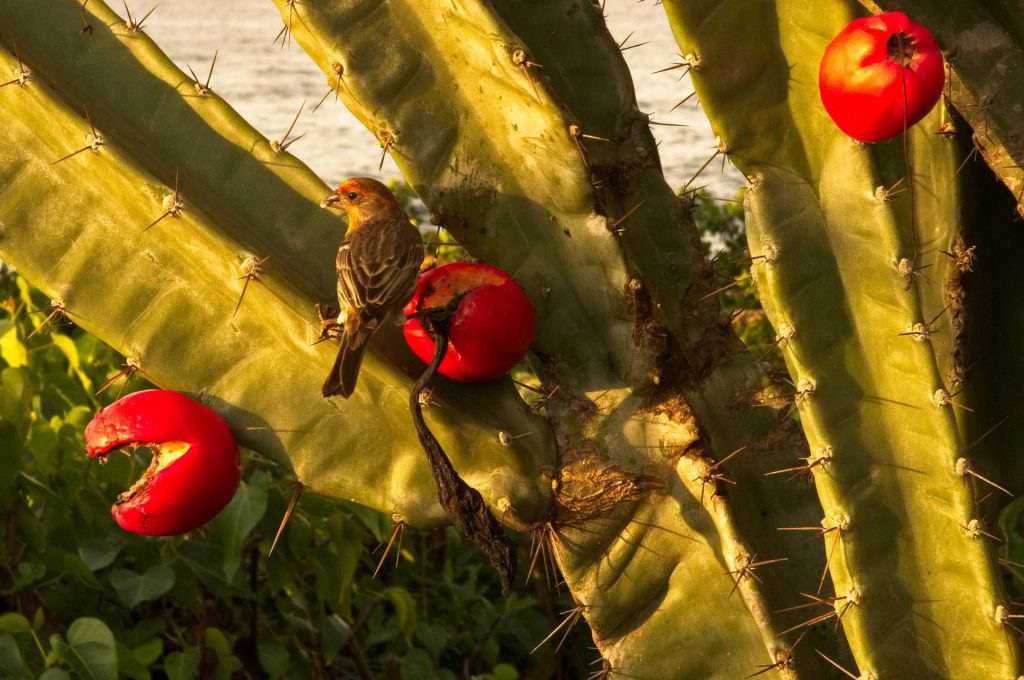
Saguaros have been a source of food and shelter for humans for thousands of years. Their sweet red fleshed fruits are turned into syrup by native peoples, such as the Tohono Oʼodham and Pima.
Distribution and habitat
Saguaros are endemic to the Sonoran Desert and are found primarily in western Sonora in Mexico and in southern Arizona in the US. There are only 30 known wild plants found in southeastern California. The elevation is a limiting factor to its environment, as the saguaro is sensitive to extended frost or cold temperatures. No confirmed specimens of wild saguaros have been found anywhere in New Mexico, Texas, Colorado, Utah, or Nevada, nor in the high deserts of northern Arizona. The northern limits of their range are the Hualapai Mountains in Arizona. They are the northernmost columnar cacti in the Americas.